

- Alison Rogers
- Latest News
- 0 Comments
As the days get warmer and brighter, we must prepare ourselves for the scaffolding risks to look out for in the Spring.
Dare we say it? The colder days FINALLY seem to have disappeared and warmer, brighter ones are on the horizon.
You may think that the dry, more predictable climate of the Spring season would be a God send for us scaffolders. No slippery surfaces, no unbearable rain pummelling in your face.
And there’s no doubt about it; that’s great. There’s nothing worse than pouring rainwater out of your boot or shivering your way through a job.
But, Spring does bring with it its own risks. These risks are just as dangerous and just as crucial to prevent than any in the depths of winter.
Scaffolding hazards never disappear; they just adapt as the environment around us changes.
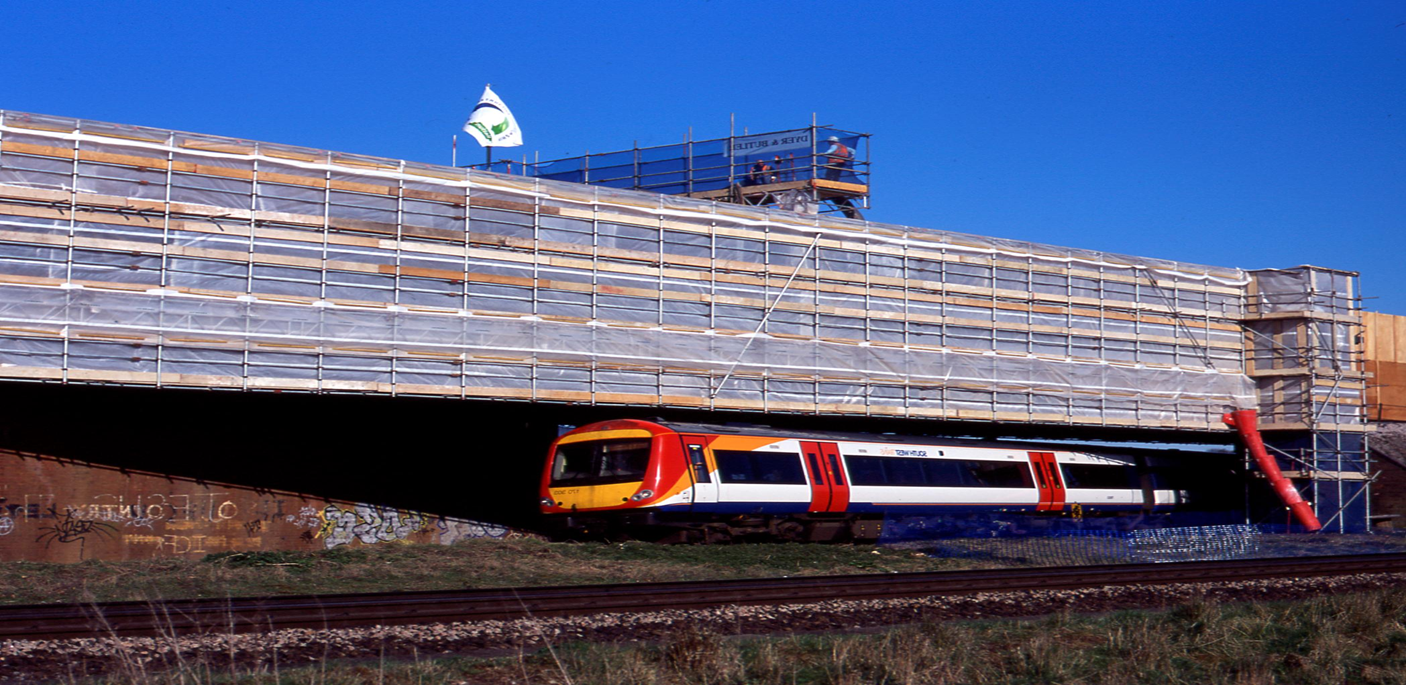
For many of us here in the UK, we’re currently starting to enjoy warmer days on a slightly (!!) more consistent basis. This means there are a new set of scaffolding hazards and controls we need to account for.
Therefore, as things start to heat up and air quality changes, it’s important that we are aware of these new risks and put the measures in place to protect our staff.
1 – Sunburn and heatstroke
We may not be in the height of summer just yet, but sunburn and heatstroke can still be a risk.
The very nature of scaffolding means that you are outside for long periods of time. As we bid goodbye to winer and say hello to spring, when UV is far higher, you’re exposing yourself to the risk of sunburn and heatstroke, as well as serious long term effects such as skin cancer if you don’t stay protected.
Even just a twinge of heat exhaustion can be a game changer. If you don’t treat it quick enough, it can lead to considerable internal damage.
Essentially, the key is to apply high factor sun cream (ideally SPF30 plus) every morning before you even leave the house and keep applying it throughout the day. Whenever possible, you can also wear a brimmed hat (aka when a hard hat isn’t required) and shield your face from direct rays. You can also look at what PPE hard hats you’re using as there are more breathable options on the market.
The key things to keep an eye on are any signs of nausea, fatigue, dizzy spells, headaches or muscle cramps. The second you spot these, get in touch with your site manager immediately.
2 – Hydration
Just as important is the need to keep staff hydrated.
Dehydration is a massive issue for scaffolders, particularly when adapting to warmer, brighter days.
You don’t want to wait until you’re hardly able to walk in a straight line to throw the H2O down your neck. Keep plenty of water bottles on site in shaded areas – not only will this keep the water cool, it will also force your staff to take a few moments away from the sun.
3 – Challenging air quality
In Spring, the air quality dips thanks to the fight between pollutants and heat. You’re also going to find yourself battling a mass of pollen; and with 1 in 5 people in the UK experiencing from some form of hay fever, chances are there’s going to be someone on your site suffering.
A lot of this will come down to the individual – for example, bringing their medication and inhalers to work – but sometimes you might need to supply some extra eye and face protection for those spending long hours outdoors.
The best bet? Have an extra supply in the yard. The moment the poor air quality starts to impact your workers, hand them out. Problem solved.
4 – Hand protection and grip
Hot weather and a new dose of sweat are a sure fire way to one, glaring outcome: clammy hands.
This is a huge red flag in scaffolding; clammy hands can lead to tools sliding from our grip and falling onto people below. They can also cause you to lose your stability when your hand slips, often culminating in serious falls.
The best way to keep sweaty hands at bay is lightweight, breathable scaffolders gloves. This will keep your grip sturdy and safe while stopping you from overheating and feeling uncomfortable.
5 – Explosions
We’ve saved the big one for last – explosions.
Heat can cause pressurised cans to amp up the pressure and explode. This is more common than you might think, with items such as aerosol cans often found on site.
Keep any pressurised can out of direct sunlight wherever possible, and keep a close watch on any items that could be at risk of explosion.